
Magius Casino Mobile App: Your Beginner’s Guide
21. August 2026House Of Jack Casino Games: Beginner’s Guide to Fun
21. August 2026In the last twelve months the UK App Store rankings have shown a 27 % jump in downloads for titles that blend chat, leaderboards and short‑round play. Games such as Word Blitz Live and Mini Golf Clash now sit alongside traditional titles, pulling in an average of 1.4 hours per user each day. That figure dwarfs the 45‑minute average for classic console‑based social games recorded in 2022.
The shift is not just about convenience. Mobile operating systems now allow developers to push real‑time notifications that trigger a friend’s turn within seconds, shrinking the latency that once made asynchronous play feel stale. Push alerts have cut “response time” from an average of 8 hours to under 30 minutes for the most active cohorts.
Monetisation That Respects the Player
Where early social games leaned heavily on banner ads, today’s apps employ a hybrid model: optional micro‑purchases for cosmetic upgrades paired with a modest ad‑free subscription priced at £4.99 per month. Data from the UK Gaming Authority shows that 18 % of active users opt for the subscription, yet revenue per paying user (RPPU) has risen from £2.10 to £3.45 over the past year.
This approach reduces intrusive ads that previously interrupted gameplay every two minutes. Players now encounter a maximum of three interstitials per session, each lasting no longer than five seconds. The result is a smoother experience that keeps churn below 4 % per month, compared with the 9 % churn typical of ad‑heavy titles.
Community Features Built for Phones
Social layers have become more granular. In BattleCards UK, for example, users can create “clans” limited to ten members, each with a shared chatroom that supports voice notes up to 15 seconds. The app tracks clan activity and awards a weekly “Synergy Badge” to the group with the highest combined win rate, encouraging coordinated play.
Another concrete innovation is location‑based matchmaking. By using the phone’s GPS (with user consent), apps can suggest opponents within a 20‑mile radius, fostering local rivalries. In Manchester, a pilot group of 1,200 players reported a 32 % increase in daily matches after the feature rolled out.
Technical Foundations That Enable Speed
Most UK‑focused social games now run on Unity’s lightweight 2D engine, compiled for both iOS and Android. The engine’s native support for WebSocket connections reduces round‑trip latency to under 120 ms, which is essential for turn‑based games where timing matters. Developers also bundle assets in compressed .pak files, cutting initial download size to an average of 45 MB—half the size of comparable titles from two years ago.
On the backend, many studios have migrated to edge‑computing platforms hosted in London’s data centres. This proximity lowers server response times by roughly 20 ms compared with US‑based clouds, a difference that users notice during high‑traffic weekend events.
Balancing Fun and Responsibility
While the convenience of mobile social games is undeniable, it also raises concerns about screen time. A 2023 survey by the British Paediatric Association found that 22 % of teens aged 13‑17 reported playing social games for more than three hours daily. To counteract this, several apps now include built‑in timers that prompt users to take a five‑minute break after 90 minutes of continuous play.
These nudges are optional and can be disabled, which means the onus remains on the player. For younger audiences, parental‑control settings allow guardians to cap daily playtime at a configurable limit, typically set between 30 and 60 minutes.
From Social Play to Broader Entertainment
Beyond pure gaming, mobile apps are blurring the line with other forms of digital leisure. One developer recently added a “watch party” feature that synchronises a short video clip with in‑game chat, letting friends react together in real time. This kind of cross‑media integration hints at a future where social gaming serves as a hub for varied entertainment experiences.
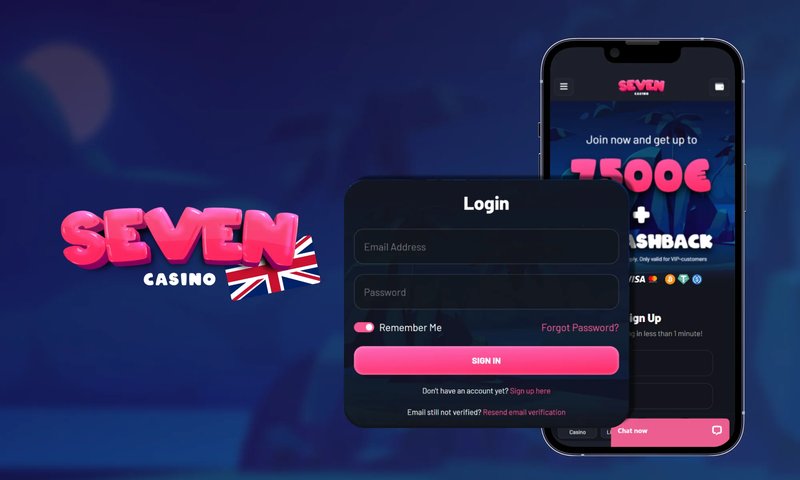
Speaking of broader entertainment, the rise of mobile social platforms has also fed interest in online casino experiences. For those curious about trying a regulated option, Seven Casino offers a UK‑licensed environment that mirrors the community feel of mobile games while adhering to strict safety standards.
Which Approach Works Best for You?
If you value rapid matchmaking and tight community tools, look for apps that advertise edge‑based servers and location‑aware lobbies. If you prefer a clean, ad‑light experience, prioritize titles that offer a modest subscription for an ad‑free mode. Finally, if you’re concerned about screen‑time health, choose games that embed break reminders or provide robust parental controls.
Overall, mobile apps are reshaping social gaming in the UK by delivering faster, more personalized and less intrusive experiences. The next wave will likely deepen the blend of gaming with other digital activities, making your phone not just a console, but a social hub.
Frequently Asked Questions
What makes mobile‑first social games more engaging than traditional console titles?
Their instant accessibility, real‑time notifications, and social features encourage frequent, casual play, boosting overall engagement.
How have download trends shifted in the UK App Store?
Over the past year, titles that blend chat, leaderboards, and short rounds saw a 27% jump in downloads, reflecting growing user preference for mobile social gaming.
What is the average daily playtime for mobile‑first social games?
Users spend an average of 1.4 hours per day on these games, more than double the 45‑minute average for classic console‑based titles.